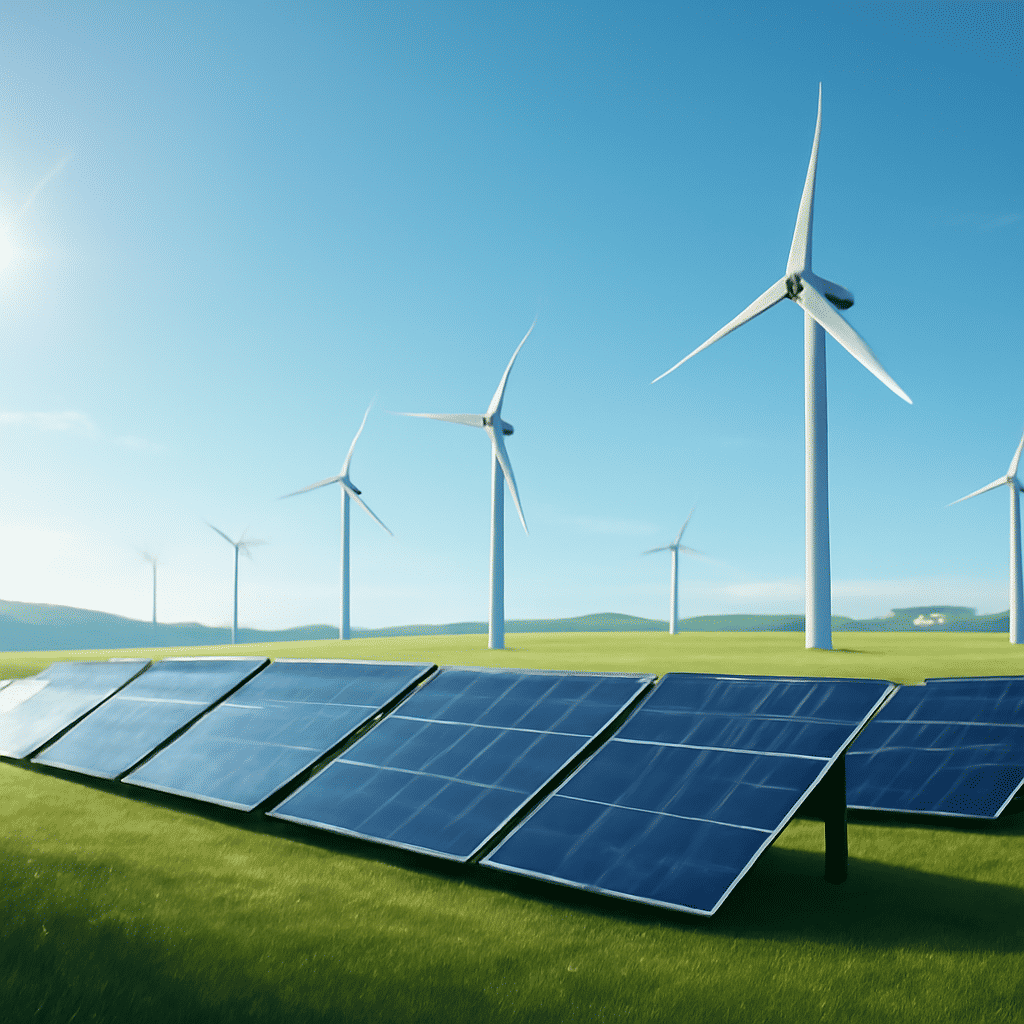
In recent years, renewable energy technologies have witnessed remarkable advancements, signaling a transformative shift towards a sustainable and environmentally responsible energy future. As governments, industries, and communities worldwide grapple with the pressing challenges of climate change, energy security, and environmental degradation, innovations in renewable energy are poised to play a pivotal role in driving sustainable development.
One of the most significant breakthroughs in renewable energy is the evolution of solar photovoltaic (PV) technology. The latest advancements in solar energy focus on increasing efficiency and reducing costs. Cutting-edge technologies such as tandem solar cells, which layer different materials to capture a broader spectrum of sunlight, are setting new records in efficiency. Furthermore, the development of perovskite solar cells, known for their efficiency and low production costs, promises to revolutionize the solar market. These innovations not only make solar energy more accessible and affordable but also hold the potential to power regions where traditional energy infrastructure is lacking.
In parallel, wind energy is undergoing its own renaissance. Wind turbines are becoming larger and more efficient, capable of harnessing power even from low-wind areas. Offshore wind farms are another area of rapid advancement, with floating wind turbines extending the reach of this technology to deeper waters where winds are stronger and more consistent. By tapping into these remote resources, countries can significantly increase their renewable energy portfolios, contributing to energy independence and reducing reliance on fossil fuels.
Energy storage technologies, particularly in the form of batteries, are crucial for the widespread adoption of renewable energy. Recent innovations in battery technology are pushing the envelope on energy density, charging speed, and lifespan. Solid-state batteries, for example, offer greater safety and efficiency compared to traditional lithium-ion batteries. Moreover, flow batteries and large-scale grid storage solutions are making it feasible to store and dispatch renewable energy on demand, addressing the intermittency challenges that have historically plagued renewables.
The integration of artificial intelligence (AI) and machine learning into energy systems is another frontier of innovation. These technologies can optimize the efficiency and reliability of renewable energy systems, predict energy demand, and manage supply in real-time. For instance, AI algorithms can predict weather patterns to optimize the output of solar and wind farms, ensuring that energy generation aligns with consumption patterns.
Additionally, the evolution of bioenergy, using organic materials as fuel, is contributing to the diversification of renewable energy sources. Recent advancements in bioenergy technologies aim to increase the efficiency of converting biomass into usable energy, with innovations in bio-refining and bioengineering leading the way. Algae biofuel is one such promising development that has the potential to produce higher yields than traditional biofuels without impinging on agricultural land.
The impacts of these advancements are far-reaching. By enabling cleaner and more efficient energy production, these technologies support efforts to mitigate climate change, reduce air pollution, and conserve natural resources. Economic benefits include job creation in emerging industries and a reduction in energy costs as technologies become more widespread and their efficiency improves.
Renewable energy innovations are also pivotal in driving global sustainable development. Access to affordable and clean energy is a cornerstone of social development, providing electricity for schools and hospitals, powering local industries, and fostering economic growth. For developing regions, embracing renewable technologies can leapfrog outdated infrastructure, enabling direct access to modern, reliable energy systems.
In conclusion, the latest advancements in renewable energy technologies are reshaping the landscape of global energy production. By addressing both environmental challenges and economic demands, these innovations are critical components of an integrated approach to sustainable development. As nations and communities continue to expand their renewable energy capabilities, they lay a foundation for a secure, equitable, and sustainable future.